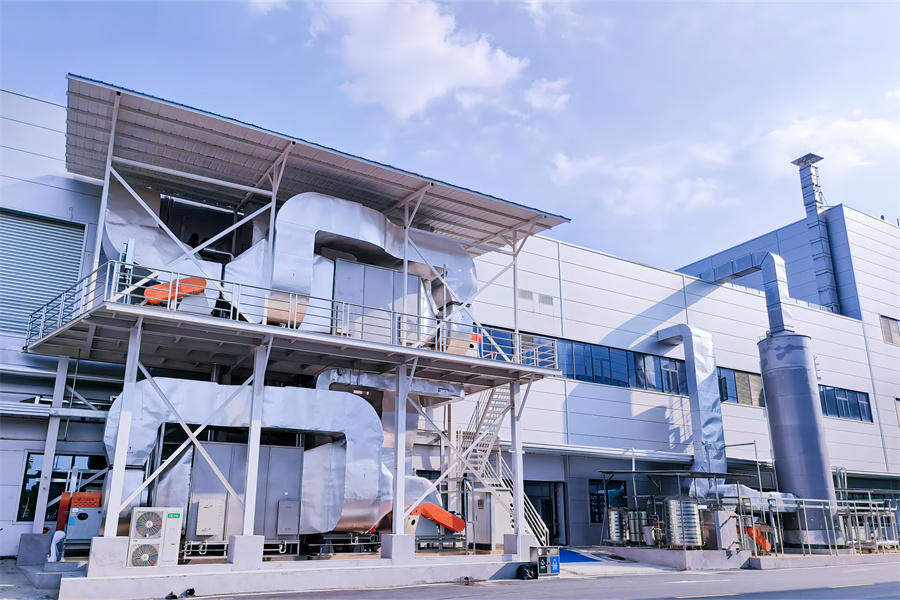
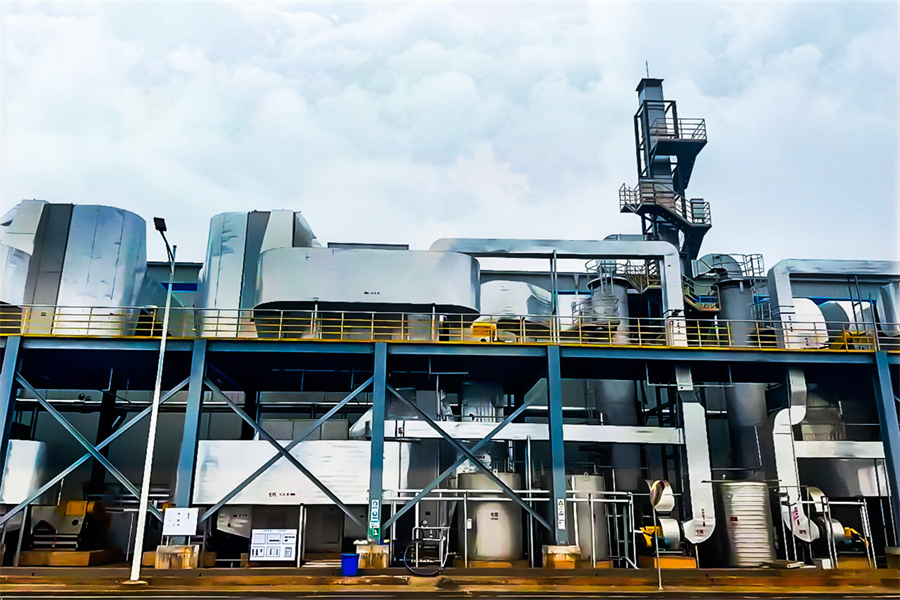
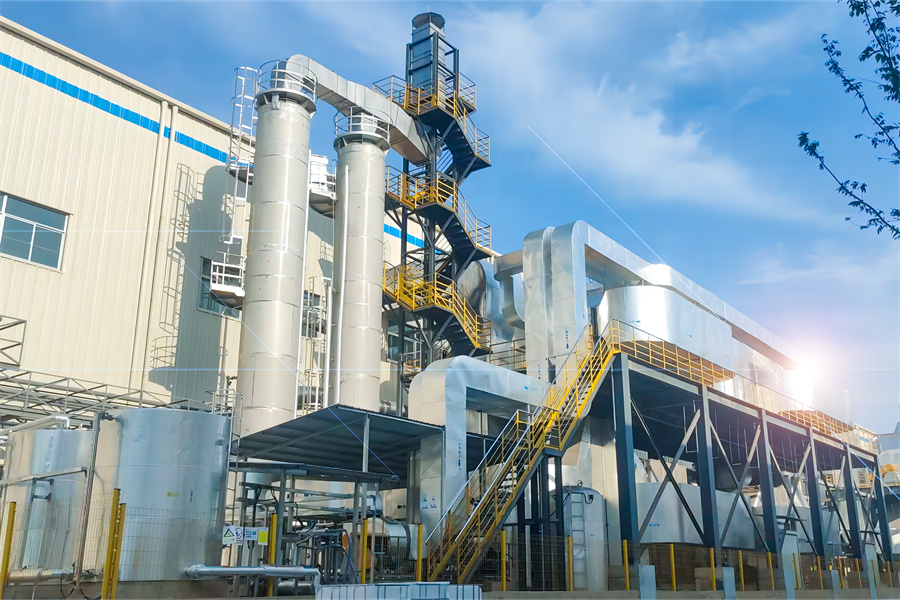
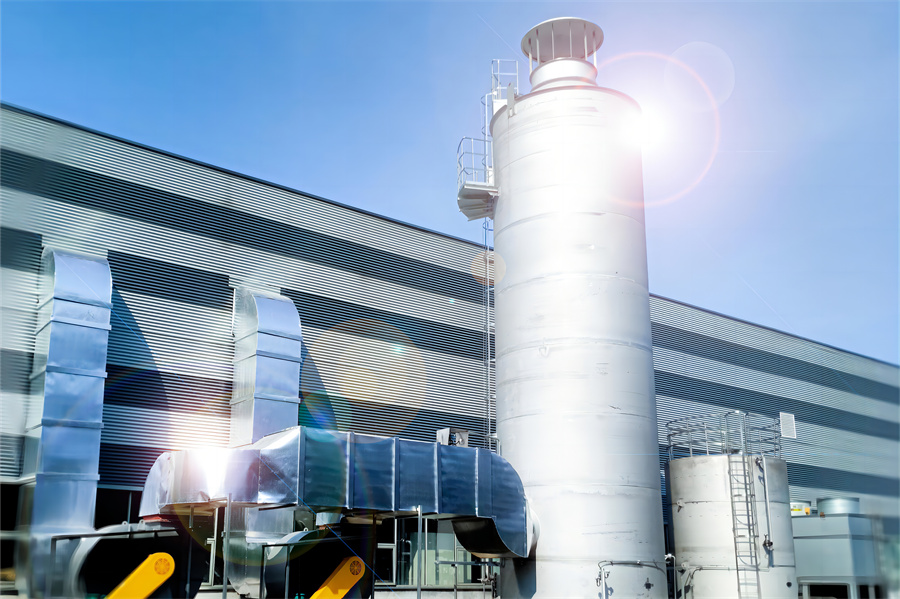
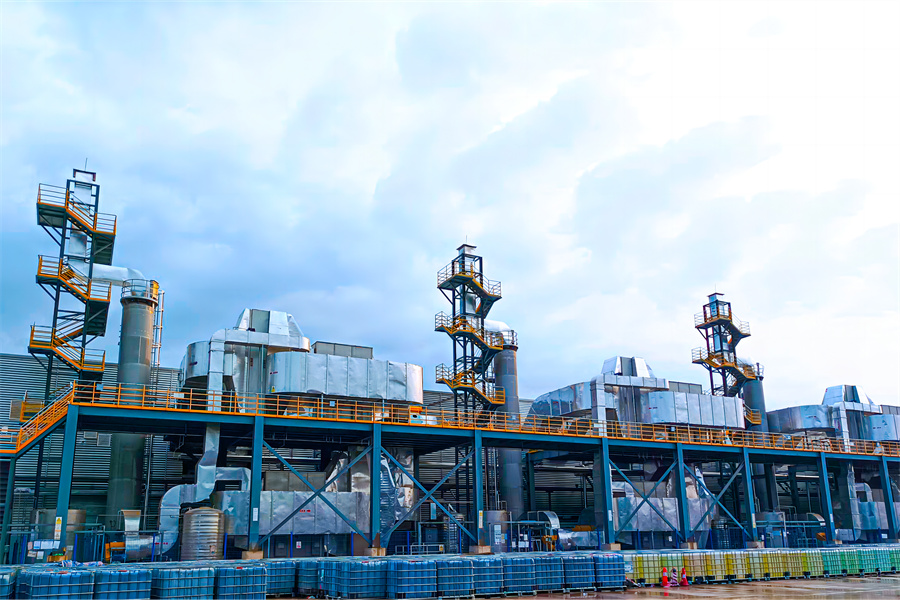
Industry-leading NMP recovery equipment and integrated coating solutions deployed in battery manufacturing facilities across the Asia-Pacific region, available for the Australian market.
Australia is undergoing a significant industrial transformation driven by the global push towards clean energy. With the Federal Government's commitment to achieving net-zero emissions by 2050 and the rapid uptake of electric vehicles (EVs), demand for lithium battery manufacturing infrastructure is accelerating at an unprecedented pace.
N-Methyl-2-Pyrrolidone (NMP) is a critical solvent used extensively in the production of lithium-ion battery electrodes. As Australia emerges as a key player in the EV battery supply chain — leveraging its world-class lithium, cobalt and nickel reserves — efficient solvent recovery systems are becoming a regulatory and economic necessity.
Australia's Environment Protection legislation and Safe Work Australia guidelines mandate strict controls over VOC (volatile organic compound) emissions. Modern NMP recovery systems not only ensure compliance but dramatically reduce operating costs, with recovery rates exceeding 95% enabling manufacturers to recycle and reuse expensive solvents continuously.
Australian EV adoption is surging, with new gigafactory projects planned in Queensland, South Australia and Western Australia driving local battery production.
Federal and state governments are legislating circular economy frameworks, making solvent recovery systems essential for compliant, sustainable manufacturing.
Australia holds 47% of world lithium reserves. Local processing expansions mean increased electrode manufacturing and corresponding NMP solvent demand.
ASX-listed manufacturers and international investors require demonstrable ESG commitments — solvent recovery is a tangible, measurable sustainability metric.
Understanding the macro and micro forces shaping the Australian solvent recovery equipment market in 2024 and beyond.
Multiple large-scale battery manufacturing facilities are in planning or construction phases in Australia. Each facility requires dedicated NMP solvent recovery infrastructure to achieve viable economics and regulatory approval. Projects in Townsville, Darwin and Perth represent billions in committed investment.
Safe Work Australia's National Exposure Standards for NMP (OES: 10 ppm TWA) and state-level EPA requirements for VOC emissions are driving industrial facilities to upgrade to high-efficiency solvent recovery systems that meet or exceed international benchmarks.
With NMP priced at AUD $2,500–4,000 per tonne, battery manufacturers face enormous solvent costs. Advanced recovery systems pay back their capital investment within 12–24 months through solvent reuse, making ROI compelling even without regulatory drivers.
Australian manufacturers are integrating IoT-enabled solvent recovery systems with centralised SCADA platforms, enabling real-time monitoring of recovery rates, predictive maintenance scheduling and automated compliance reporting.
Australian battery manufacturers are increasingly aligned with Asian EV supply chains. Sourcing proven solvent recovery technology from experienced Asia-Pacific manufacturers ensures compatibility with global production standards and streamlines commissioning timelines.
While water-based electrode processes are emerging, NMP remains the dominant solvent for high-performance cathode production through 2030+. Investment in advanced recovery technology remains the most economically rational path for current facilities.
Solvent recovery systems serve a broad range of industrial applications in the Australian market, from battery manufacturing to pharmaceutical processing.
The primary application for NMP recovery in Australia. Cathode slurry preparation and coating processes consume large volumes of NMP, which must be recovered from the oven exhaust to achieve economic and environmental targets. Our systems deliver >95% recovery efficiency, enabling continuous solvent reuse in closed-loop manufacturing lines.
Australia's pharmaceutical manufacturing sector, concentrated in Melbourne and Sydney, uses NMP and other polar aprotic solvents extensively in active pharmaceutical ingredient (API) synthesis. Recovery systems ensure GMP compliance, reduce solvent waste and meet TGA environmental requirements for licensed manufacturing sites.
Automotive OEMs and Tier-1 suppliers in Victoria and New South Wales rely on solvent-based coating processes where recovery systems are critical for compliance with EPA Victoria and NSW EPA emission licences. Integrated coating and recovery units reduce facility footprint while maximising throughput.
Western Australia and Queensland's critical mineral processing facilities use solvent extraction (SX) processes that generate significant solvent waste streams. Recovery systems reduce operating costs and minimise environmental liability in sensitive ecological areas governed by strict EPBC Act requirements.
Solar panel and wind turbine component manufacturers based in South Australia and Victoria increasingly utilise solvent-based processes for encapsulant application and protective coatings. Recovery systems align with these facilities' broader sustainability commitments and green energy mandates.
The growing Australian defence and aerospace electronics sector uses solvents in PCB cleaning and conformal coating processes. Compact, modular recovery units provide cost-effective solutions for smaller-volume applications while meeting AS/NZS environmental standards.
A national high-tech enterprise delivering world-class NMP recovery solutions to the global new energy manufacturing sector.
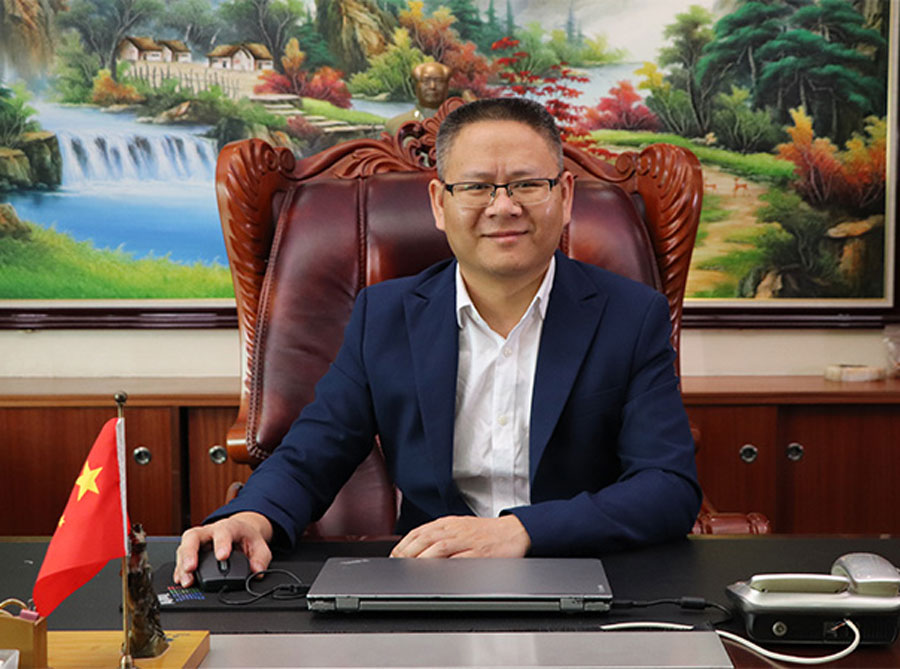
Guangdong Penjin Intelligent Equipment Co., LTD. (Referred to as "Pengjin Technology") is a national high-tech enterprise specializing in professional equipment solutions for the new energy recycling economy.
Our primary offerings include NMP recycling equipment, NMP distillation equipment, coating machines, and more. Committed to innovation, Pengjin Technology holds 13 invention patents and over 50 utility model patents. Our team of nearly 1,000 employees, with around 20% dedicated to research and development, ensures continuous technological advancement. For Australian customers, we provide comprehensive support including equipment engineering, site commissioning, operator training and long-term after-sales service through our Asia-Pacific network.
Welcome to learn more about us
Innovative tech services for customer success and employee fulfillment
Leading new energy intelligent manufacturing
Driving the development of new energy circular economy
Honesty, pragmatism, pioneering spirit, pursuit of excellence
With the rapid development of the lithium battery industry, the efficient use of resources and the steady improvement of efficiency are the top priority of enterprise operation and development. Pengjin Technology adheres to the corporate mission of "driving the development of new energy recycling economy with technology" and provides more perfect NMP solutions for the majority of lithium battery manufacturers and NMP manufacturers.
On the road of circular economy, Pengjin team will take excellent steps, keep pace with time; work together for a win-win situation, and create a more efficient tomorrow. For Australian partners and customers, we are committed to delivering not just equipment, but complete turnkey solvent recovery solutions that align with Australia's stringent environmental standards and clean energy ambitions.
Pengjin team will be committed to NMP recycling, NMP circular economy and other resource recycling economy, high-tech development economy, and take solid steps to promote the high-quality development of new energy and realize the green, circular and low-carbon development of industries.
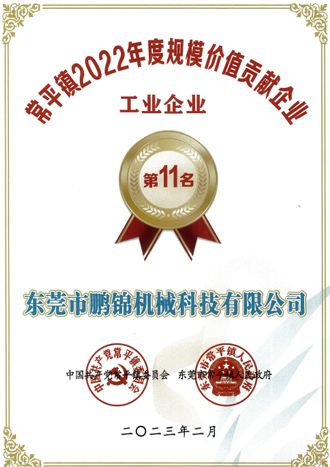
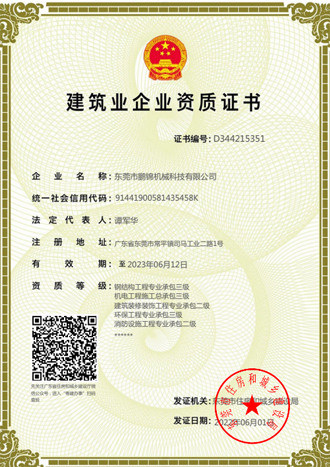
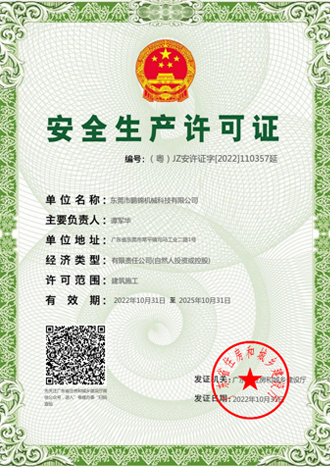
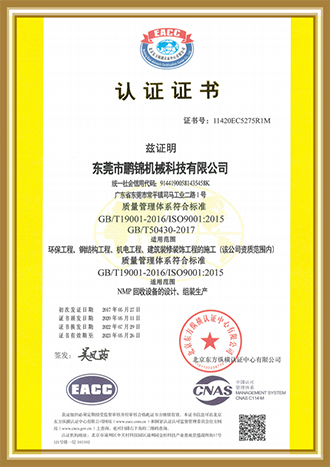
Our quality management systems and technical capabilities are backed by internationally recognised certifications.
For many years, we have successfully responded to the requirements of reputed customers in the market.


Explore our full portfolio of NMP recovery systems, successfully deployed at battery manufacturing facilities across the Asia-Pacific region and available for Australian projects.