


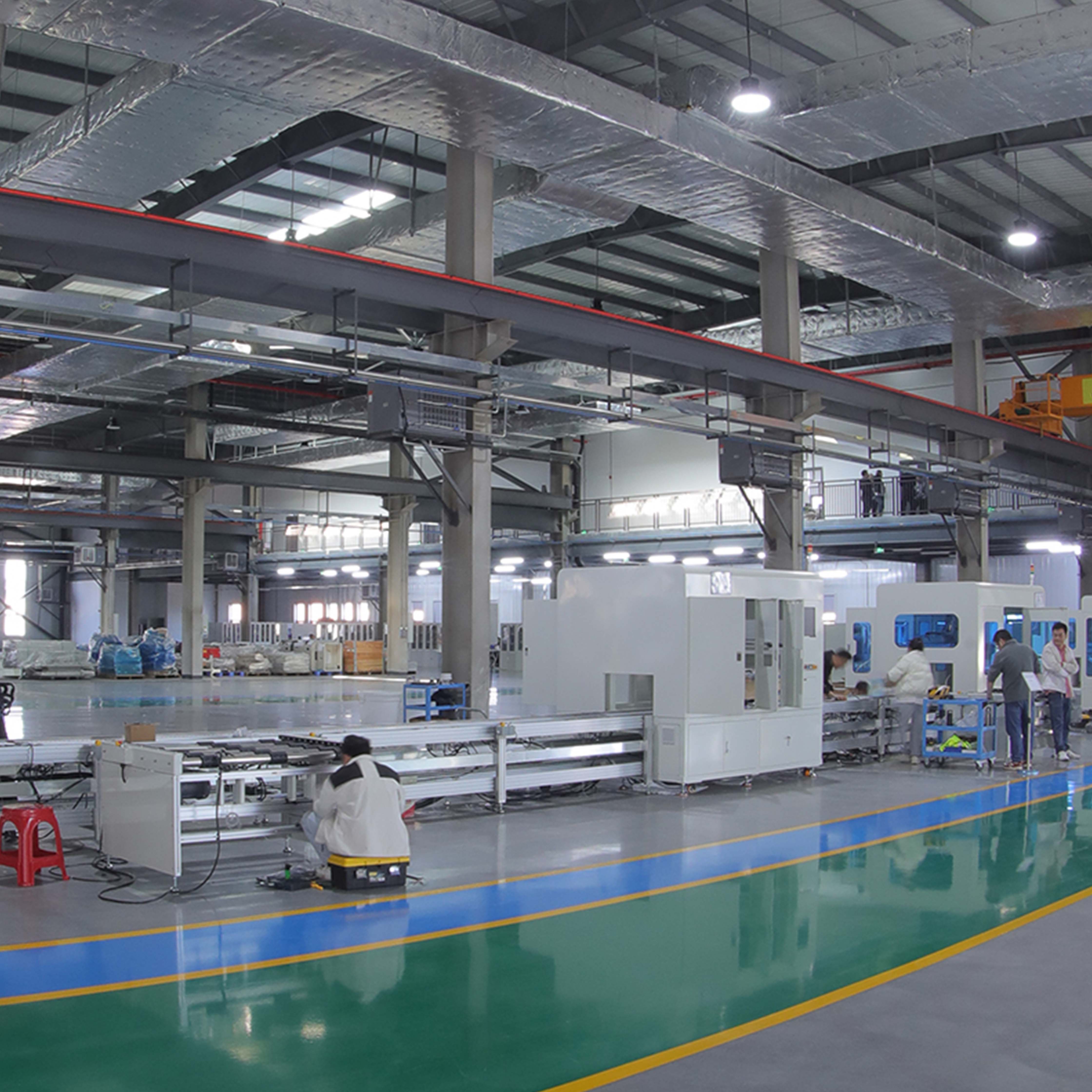
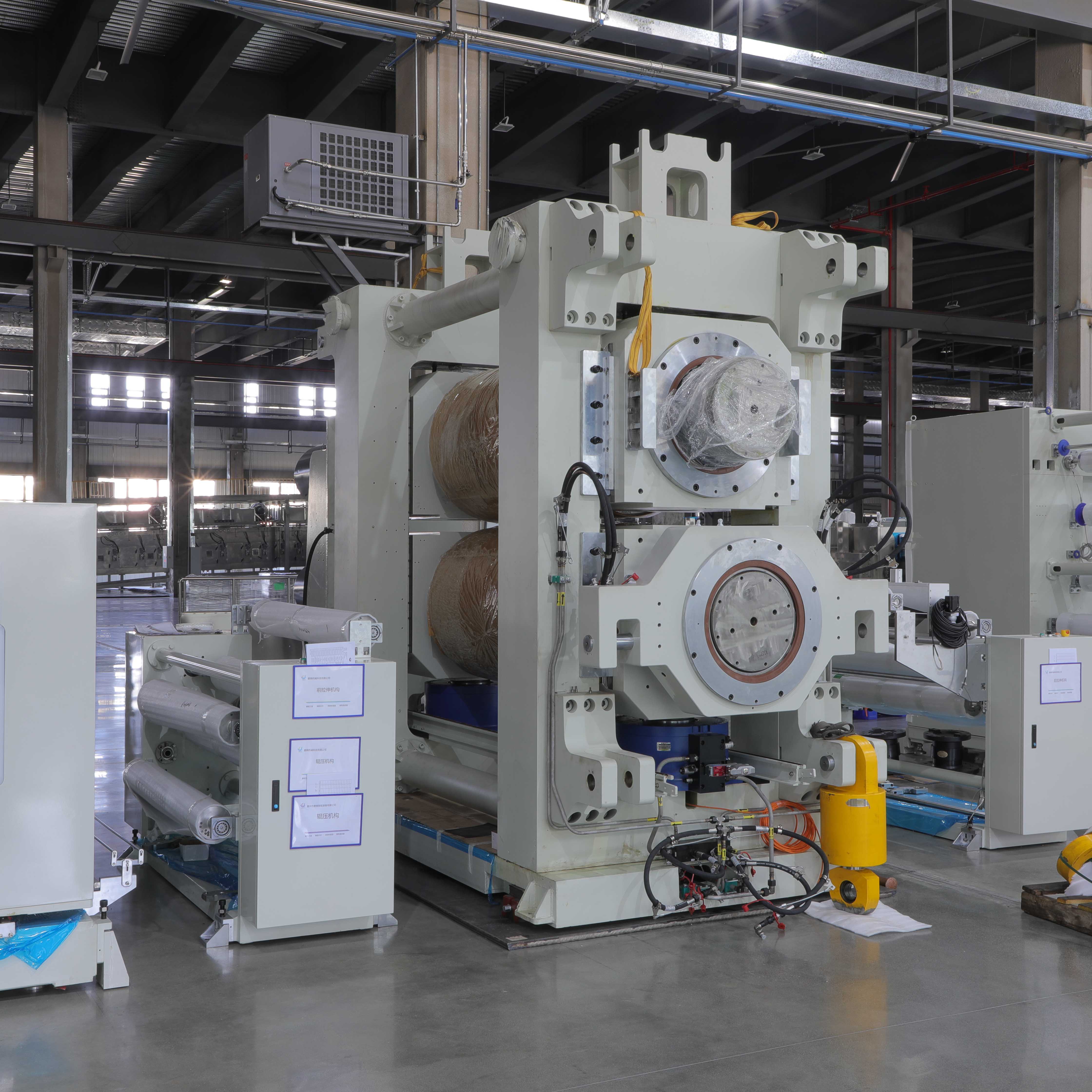


What is an NMP recovery system in lithium battery manufacturing?
Introduction
In lithium battery production, NMP is widely used in electrode coating. During drying, large volumes of NMP-containing exhaust gas are generated. Without proper recovery, manufacturers may face solvent loss, higher energy use, and VOC compliance pressure.
For this reason, NMP recovery systems have become essential equipment in modern battery plants.
What is an NMP recovery system?
An NMP recovery system captures solvent vapor from coating exhaust gas and converts it into reusable liquid through heat recovery, condensation, and gas-liquid separation.
Its main purpose is to reduce solvent loss, lower energy cost, and support cleaner production.
Why is it important?
Battery plants need to control four issues at the same time: solvent consumption, VOC emissions, drying energy demand, and stable large-scale production.
Some conventional systems can meet basic recovery needs, but their heat recovery efficiency is often around 60–75 percent under typical designs. For projects with higher efficiency and stability requirements, more advanced or integrated recovery solutions are often considered.
How does the system work?
Heat recovery:
- Exhaust air exchanges heat with return air to reduce energy consumption. In conventional designs, performance depends on system structure and operating conditions, and efficiency may vary across projects.
Condensation:
- After heat recovery, NMP vapor is cooled into liquid. Compared with simpler cooling structures, multi-stage condensation usually provides more stable recovery performance under continuous production.
Gas-liquid separation:
- Gas-liquid separation is used to reduce liquid entrainment and improve recovery quality. Basic systems may use simpler demisting structures, which can lead to less stable return-air conditions.
VOC treatment:
- Tail gas is treated to meet environmental standards. Depending on project requirements, adsorption rotor or absorption tower systems are often integrated into the recovery process.
Application scenarios
NMP recovery systems are widely used in EV battery lines, energy storage battery plants, and other coating projects with strict environmental and cost-control requirements.
They are especially important for medium and large coating lines that require stable solvent recovery and controlled operating cost.
Modern battery manufacturers are paying more attention to integrated recovery solutions rather than basic exhaust treatment alone.
For example, Pengjin’s NMP recovery system integrates heat recovery, multi-stage condensation, and tail-gas treatment into a unified design. Its cathode system uses 90–95 percent return air and heat exchange efficiency up to 85 percent. In its rotor-based solution, emissions can be controlled to 5–50 mg/Nm³, with laboratory data as low as 1 mg/Nm³, while its tower-based solution can meet 15–50 mg/Nm³ under stable operation.
An NMP recovery system is not only an environmental device, but also a practical tool for reducing solvent loss and operating cost.
Basic systems may fit smaller projects, while integrated solutions are often more suitable for larger lithium battery lines with higher requirements for energy saving, recovery stability, and emission control.