


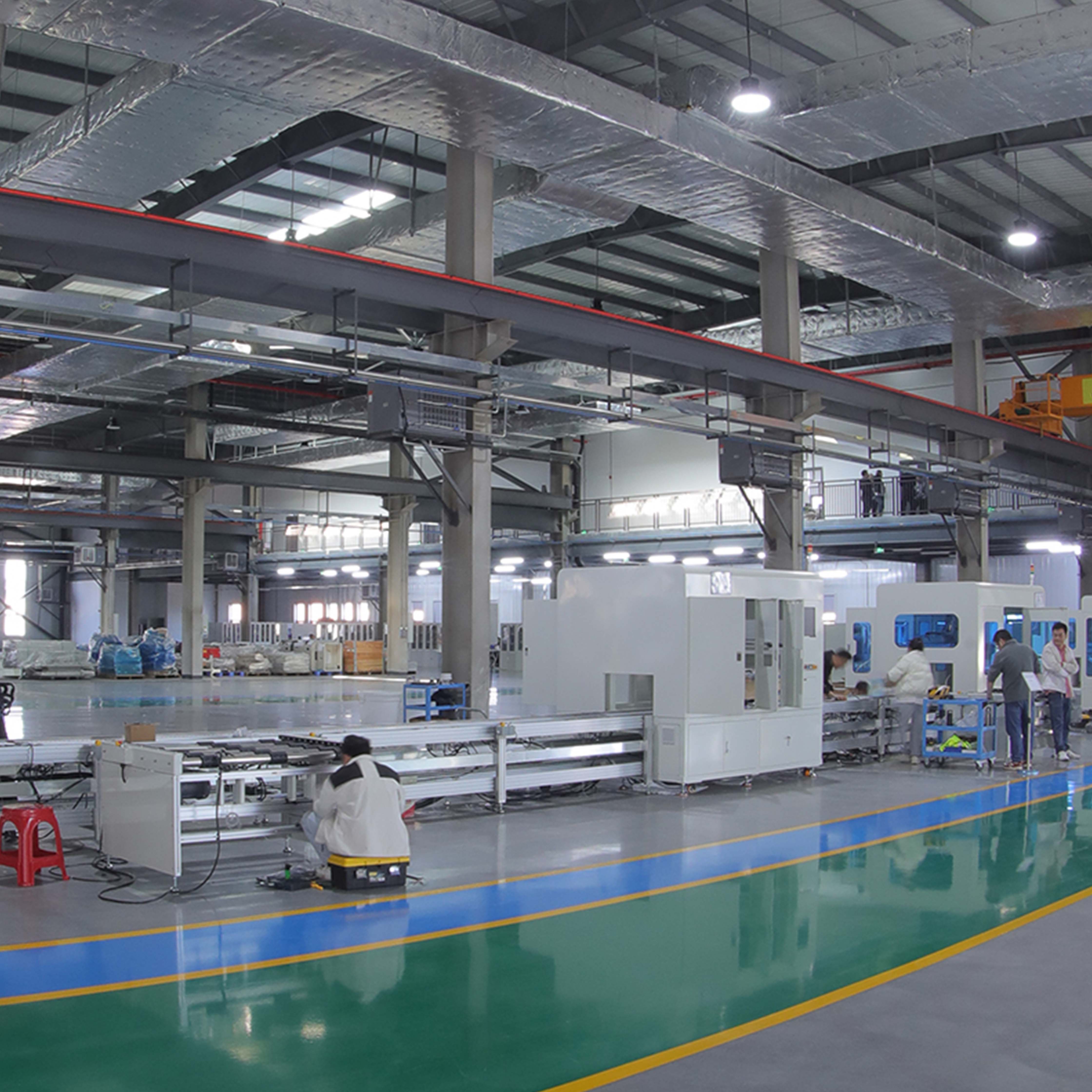
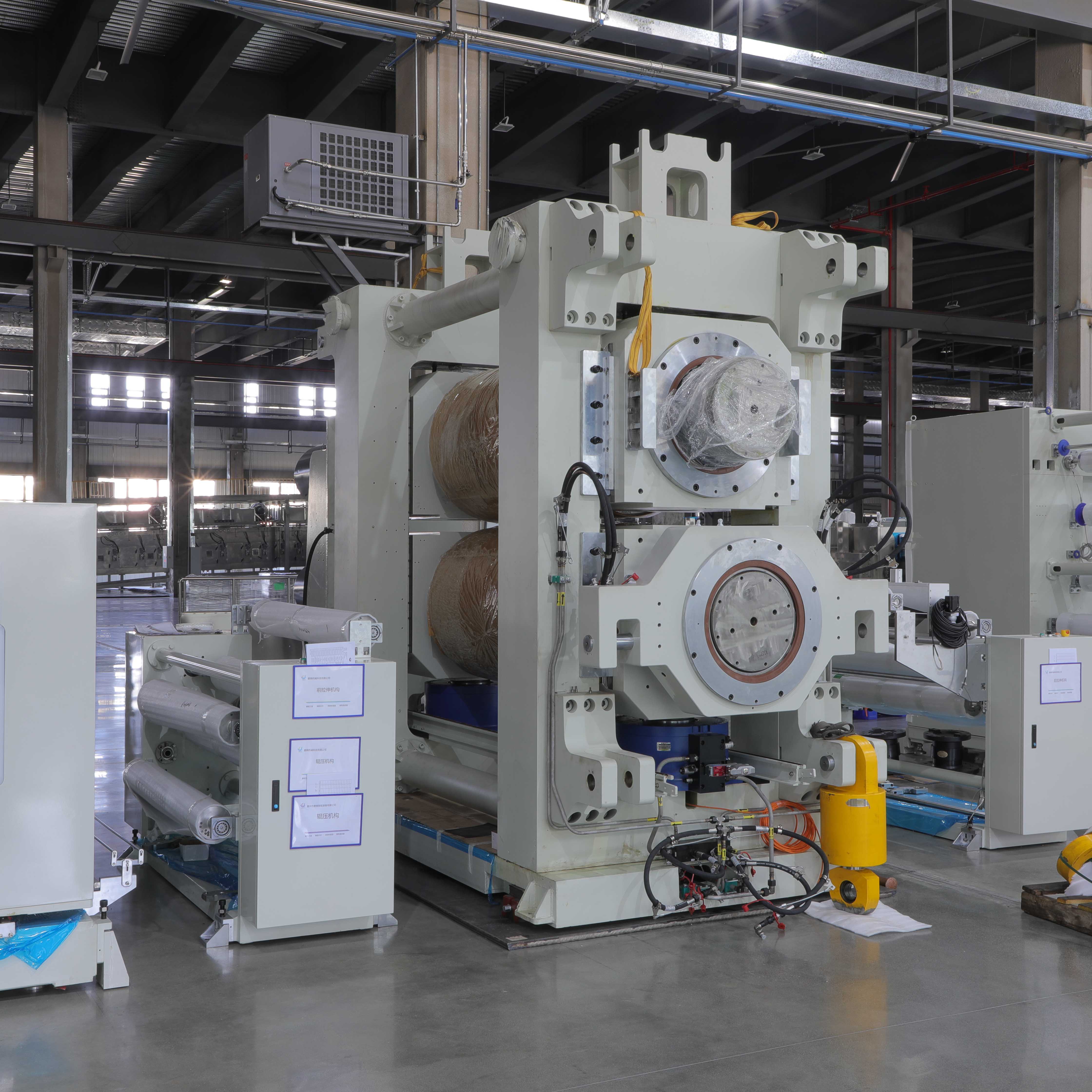


What Is a Coating Machine in Lithium-Ion Battery Manufacturing?
Introduction
In lithium-ion battery manufacturing, achieving high-quality electrodes remains one of the most critical challenges. Manufacturers often face issues such as coating inconsistency, low production efficiency, and material waste.
As battery production scales toward gigafactory levels, coating machines have become essential equipment for ensuring stable, high-speed, and high-precision manufacturing.

What Is a Coating Machine?
A coating machine is used to apply slurry onto metal foil (aluminum or copper) to form battery electrodes. This process directly determines:
- Coating thickness
- Material distribution
- Electrode consistency
It is widely used in:
- EV power batteries
- Energy storage systems (ESS)
- Consumer lithium-ion batteries
In short, coating machines form the foundation of electrode production quality and performance.
Why Is Coating So Important? (Industry Pain Points)
1. Coating Consistency Issues
Uneven coating can lead to unstable battery performance, reducing capacity retention and cycle life.
2. High Defect Rates
Defects such as streaks, bubbles, cracking, and edge thickening significantly lower yield and increase rework costs.
3. Low Production Efficiency
Traditional coating lines typically operate at speeds of 60-80 m/min, which limits scalability for high-demand production.
4. Rising Cost Pressure
Material waste and energy consumption can account for a significant portion of total production cost, especially in large-scale facilities.
These challenges make advanced coating solutions essential for modern battery manufacturing.
Common Coating Solutions
Different coating technologies are used depending on production requirements.
1. Extrusion (Slot Die) Coating Machine
- High precision
- Suitable for high-speed continuous production
- Commonly used in power battery manufacturing
2. Gravure Coating Machine
- Typically used for primer or functional coatings
- Cost-effective for specific process steps
3. Separator Coating Machine
- Used for ceramic coating
- Enhances battery safety and thermal stability
Why Double-Sided Coating Is Becoming the Preferred Solution
Among all solutions, double-sided coating is increasingly adopted due to its ability to improve both efficiency and consistency.
Compared with traditional single-side coating processes, double-sided systems can:
- Increase production throughput by approximately 60–80%
- Better coating consistency between both sides
- Reduced process steps and cost
These advantages make double-sided coating especially valuable for large-scale battery manufacturers seeking higher output and stable quality.
Recommended Solution: Double-Layer High-Speed Extrusion Coating Machine
To address the challenges of efficiency, precision, and scalability, advanced manufacturers are increasingly adopting double-layer high-speed extrusion coating systems.
For high-speed, double-sided coating requirements in gigafactory-scale production, manufacturers often rely on solutions provided by equipment suppliers such as Pengjin, which specialize in integrated coating technologies.
Key Advantages
- Double-sided coating structure for significantly higher efficiency
- Production speeds up to 160 m/min, enabling large-scale output
- High precision control:
- Single-side deviation ≤ ±1.2%
-
Double-side deviation ≤ ±1.0%
- Stable tension control within ±2N
- Alignment accuracy ≤ ±0.5 mm
In practical applications, a large-scale battery manufacturer improved overall coating efficiency by over 35% after upgrading from a conventional coating line to a double-layer extrusion system, while also reducing material waste.
Application Scenarios
Coating machines play a critical role across multiple battery production scenarios:
✔ Large-Scale Battery Manufacturing
Gigafactory production lines requiring high speed, stability, and consistency
✔ Energy Storage Systems
Long-cycle production with strict uniformity requirements
✔ Consumer Battery Production
Flexible manufacturing with diverse product specifications
✔ R&D and Pilot Lines
Process validation and small-batch production
Which Companies Must Use Coating Machines?
Coating machines are essential for:
- Battery cell manufacturers
- Electrode production facilities
- New energy companies building production lines
- R&D labs transitioning to industrial-scale production
For any business involved in electrode manufacturing, coating equipment is a fundamental requirement.
Conclusion
Coating machines are a core component of lithium-ion battery manufacturing, directly influencing product quality, production efficiency, and operational cost.
As the industry continues to scale, double-sided high-speed coating solutions are becoming the mainstream choice, enabling manufacturers to achieve higher throughput, improved consistency, and better overall performance.