


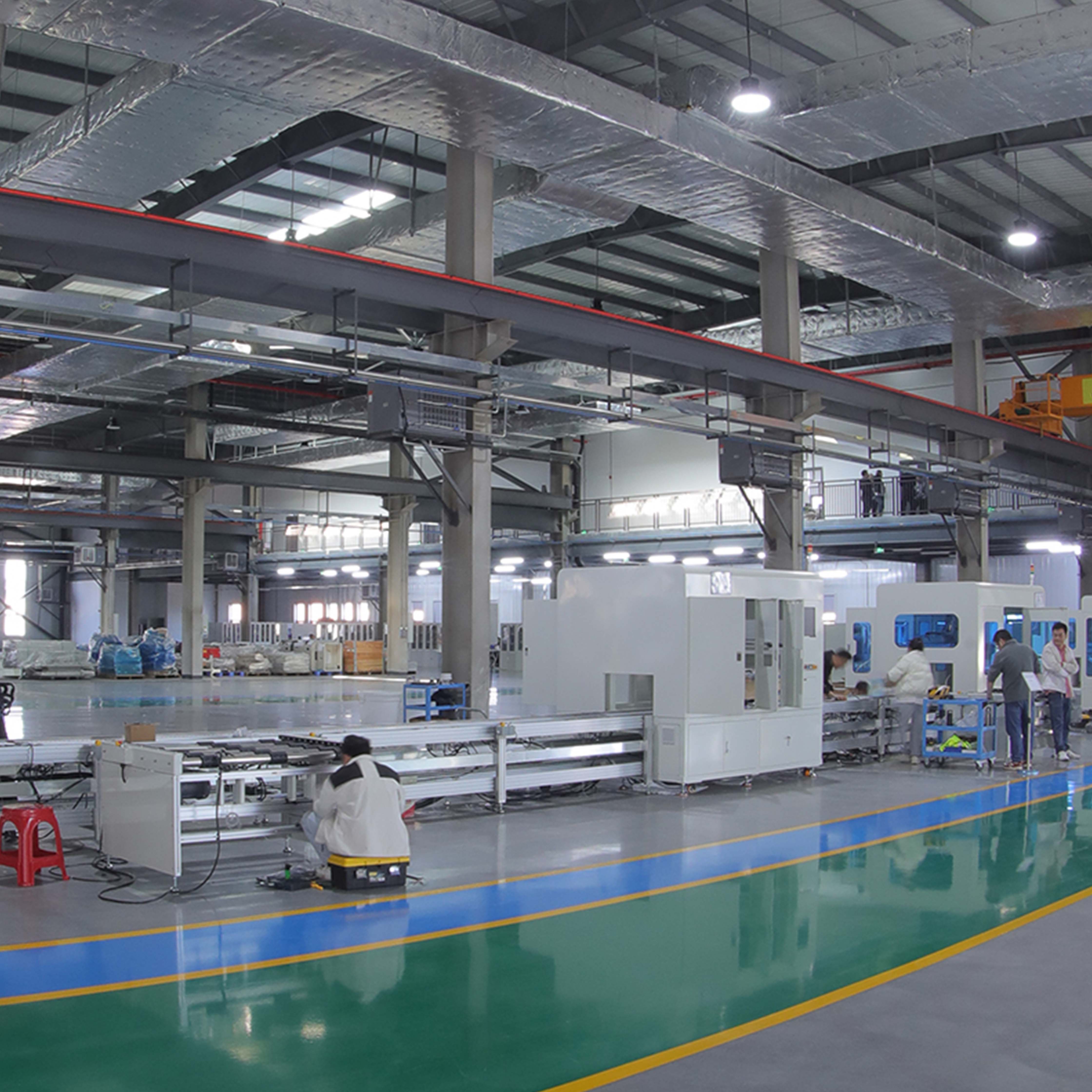
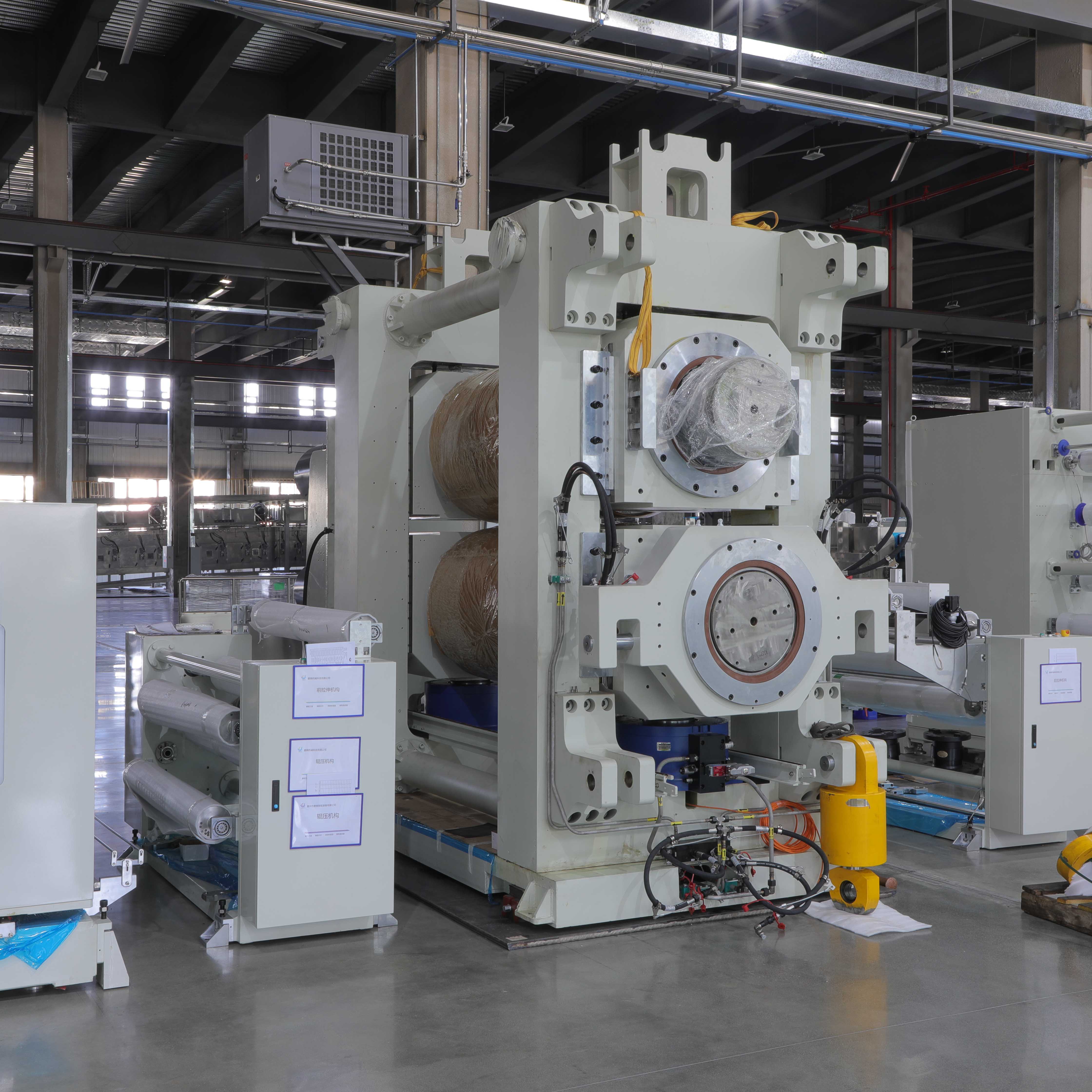


Choosing the Right Coating Machine for Lithium-Ion Battery Manufacturing
Introduction
In lithium-ion battery manufacturing, electrode quality directly determines battery performance and production efficiency. However, manufacturers often face challenges such as coating inconsistency, low efficiency, and high defect rates.
To solve these issues, coating machines have become essential equipment in modern battery production lines.

What Is a Coating Machine?
A coating machine is used to apply slurry onto aluminum or copper foil to form battery electrodes. It is widely used in:
- EV power batteries
- Energy storage systems (ESS)
- Consumer lithium-ion batteries
It is one of the most critical steps in electrode manufacturing.
Why Is Coating So Important? (Industry Pain Points)
- Uneven coating leads to inconsistent battery performance
- Defects such as bubbles and cracks reduce yield
- Traditional coating lines typically operate at 80–100 m/min, limiting large-scale production efficiency
- Material waste increases manufacturing cost
Common Coating Solutions
1. Extrusion (Slot Die) Coating
- High precision
- Suitable for high-speed production
2. Gravure Coating
- Used for primer coating
- Cost-effective
3. Separator Coating
- Improves safety performance
Why Double-Sided Coating Is Becoming Mainstream
Compared with single-side coating, double-sided coating offers:
- Production efficiency improvements of approximately 60–80% in continuous manufacturing environments
- Better consistency
- Lower cost
Especially important for large-scale battery production.
Recommended Solution: Double-Layer High-Speed Extrusion Coater
To meet these demands, advanced manufacturers are adopting double-layer high-speed extrusion coating machines.
For high-speed and large-scale battery production, manufacturers typically adopt integrated coating systems developed by providers such as Pengjin, particularly in gigafactory-level projects requiring both precision and throughput.
Key Features:
- Speed up to 160 m/min, enabling higher throughput
- Double-side density ≤ ±1.0%
- Tension control ≤ ±2N
- Alignment ≤ ±0.5 mm
In practical upgrades, some battery manufacturers have reported efficiency improvements of over 30% after switching from conventional coating systems to double-layer extrusion solutions, along with reduced material waste.
Application Scenarios
- Large-scale EV battery factories
- Energy storage production lines
- Consumer battery manufacturing
- R&D pilot lines
Conclusion
In lithium battery production, coating machines are not only essential equipment but also a key factor in determining manufacturing competitiveness.
With the growing demand for efficiency and consistency, double-sided high-speed coating solutions are increasingly adopted by advanced manufacturers.
If you are working on a new battery project or optimizing an existing production line, understanding the right coating solution can make a significant difference. Exploring available technologies and consulting experienced equipment providers can help you make a more informed decision.