




What Really Determines Coating Quality in Lithium Battery Manufacturing?
In lithium-ion battery production, coating is more than just a process step — it is a decisive factor that shapes battery performance, consistency, and production efficiency. From EV power batteries to large-scale energy storage systems, manufacturers are under increasing pressure to achieve higher precision, faster throughput, and lower defect rates.
However, common challenges remain difficult to overcome:
-
Uneven coating leads to unstable capacity and reduced cycle life
-
Slurry leakage and density inconsistency affect electrode quality
-
Traditional coating speeds of 80–100 m/min limit large-scale production
-
Drying instability causes defects such as edge curling and cracking
As production scales toward gigafactory levels, these issues are no longer isolated problems — they directly impact yield, cost, and competitiveness.
To address these challenges, advanced coating technologies are becoming essential. In particular, double-layer high-speed extrusion coating systems are increasingly adopted across modern battery manufacturing lines.

Compared to conventional processes, these systems can:
-
Improve overall production efficiency by 60–80%
-
Achieve coating speeds up to 160 m/min
-
Maintain high precision with deviation control within ±1.0%
-
Ensure stable tension control within ±2N
-
Deliver consistent drying performance with airflow fluctuation ≤ ±2%
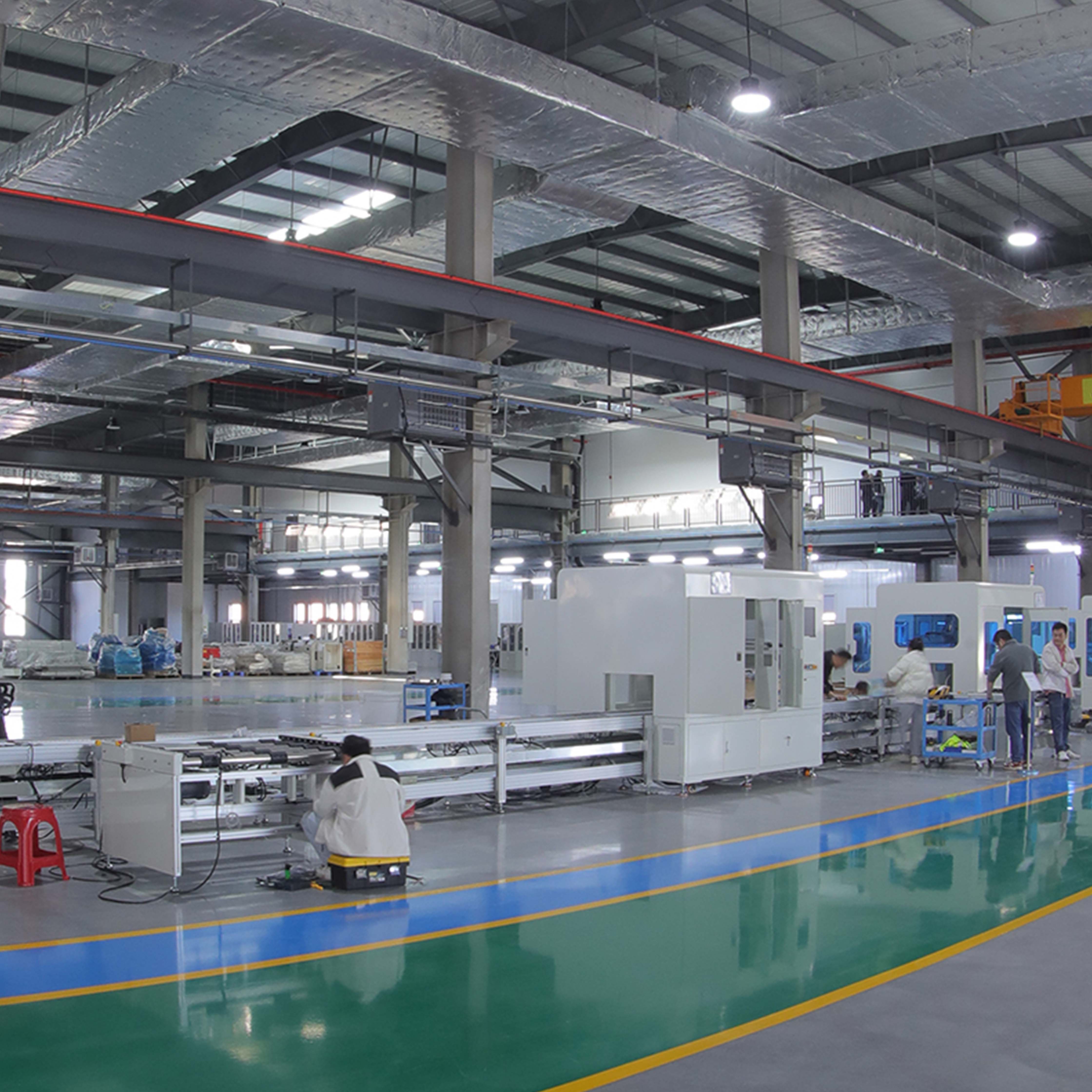
More importantly, integrated coating systems combine coating, drying, and winding into a continuous, automated process — significantly reducing manual intervention and improving production stability.
In real-world applications, manufacturers upgrading to advanced double-sided coating systems have reported efficiency improvements of over 30%, along with reduced defect rates and material waste. These improvements are especially critical in high-volume production environments where even small variations can lead to significant losses.
For manufacturers seeking reliable solutions, integrated coating technologies developed by experienced equipment providers such as Pengjin are widely used in both power battery and energy storage projects. These systems are designed to handle ultra-thin materials (e.g., 4μm copper foil and 6μm aluminum foil) while maintaining high-speed and high-precision performance.
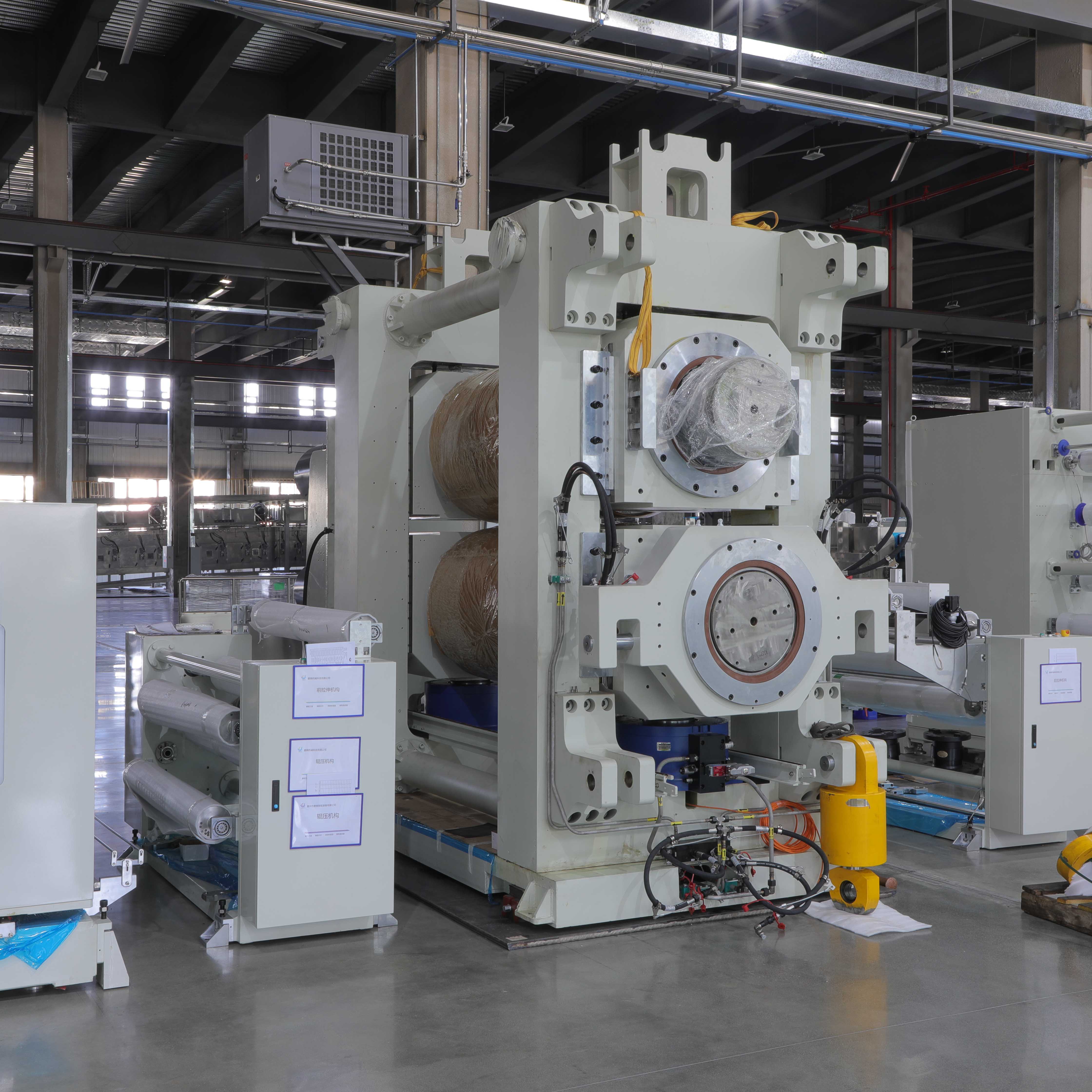
Beyond standalone equipment, modern coating machines are increasingly integrated into full production lines, working alongside NMP recovery systems, rolling, and slitting processes to form a complete intelligent manufacturing system.
As the lithium battery industry continues to evolve, coating technology is no longer just about applying materials — it is about enabling scalable, high-quality, and cost-efficient production.
If you are planning a new battery production line or optimizing an existing one, understanding how advanced coating systems improve efficiency and consistency can make a measurable difference in your results.
