


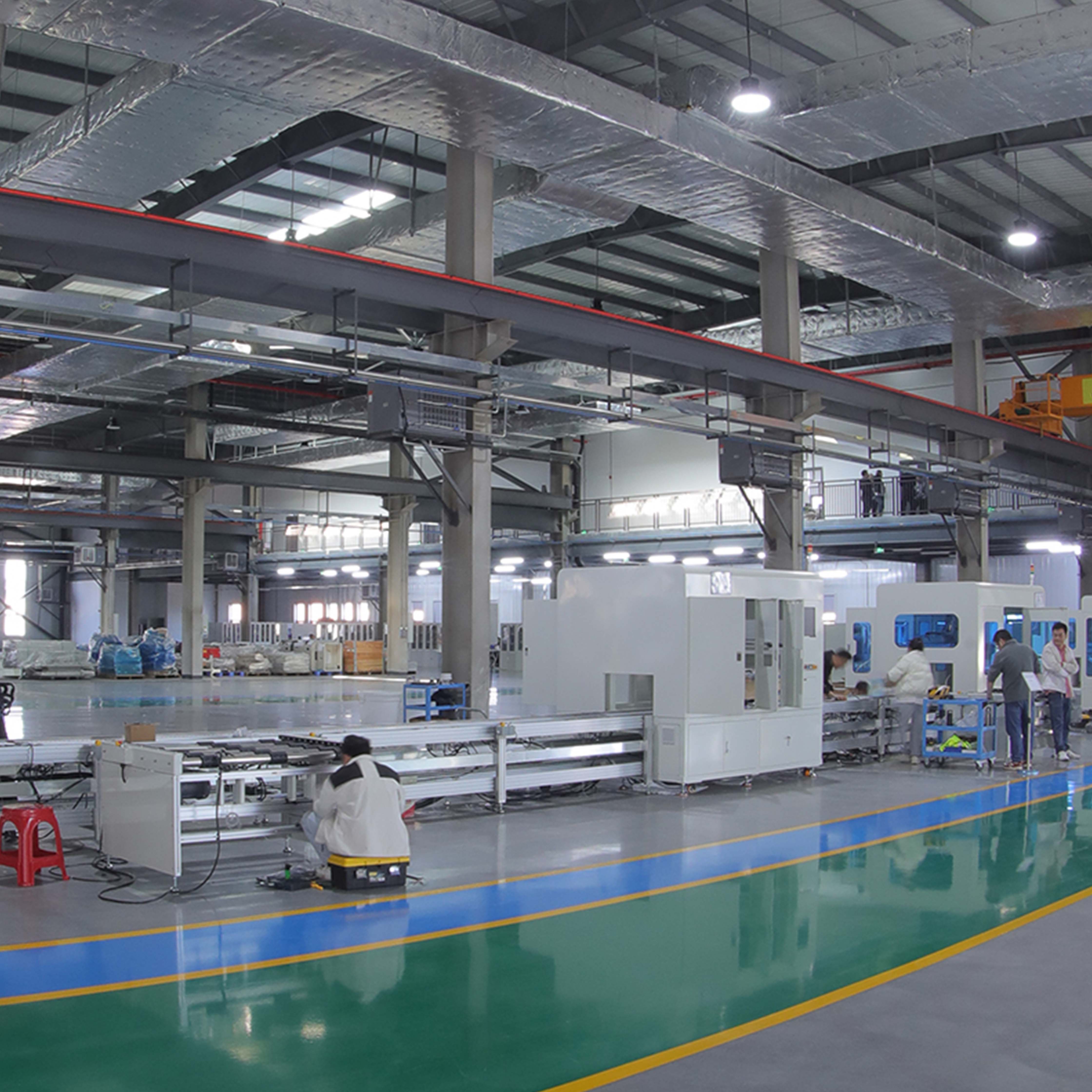
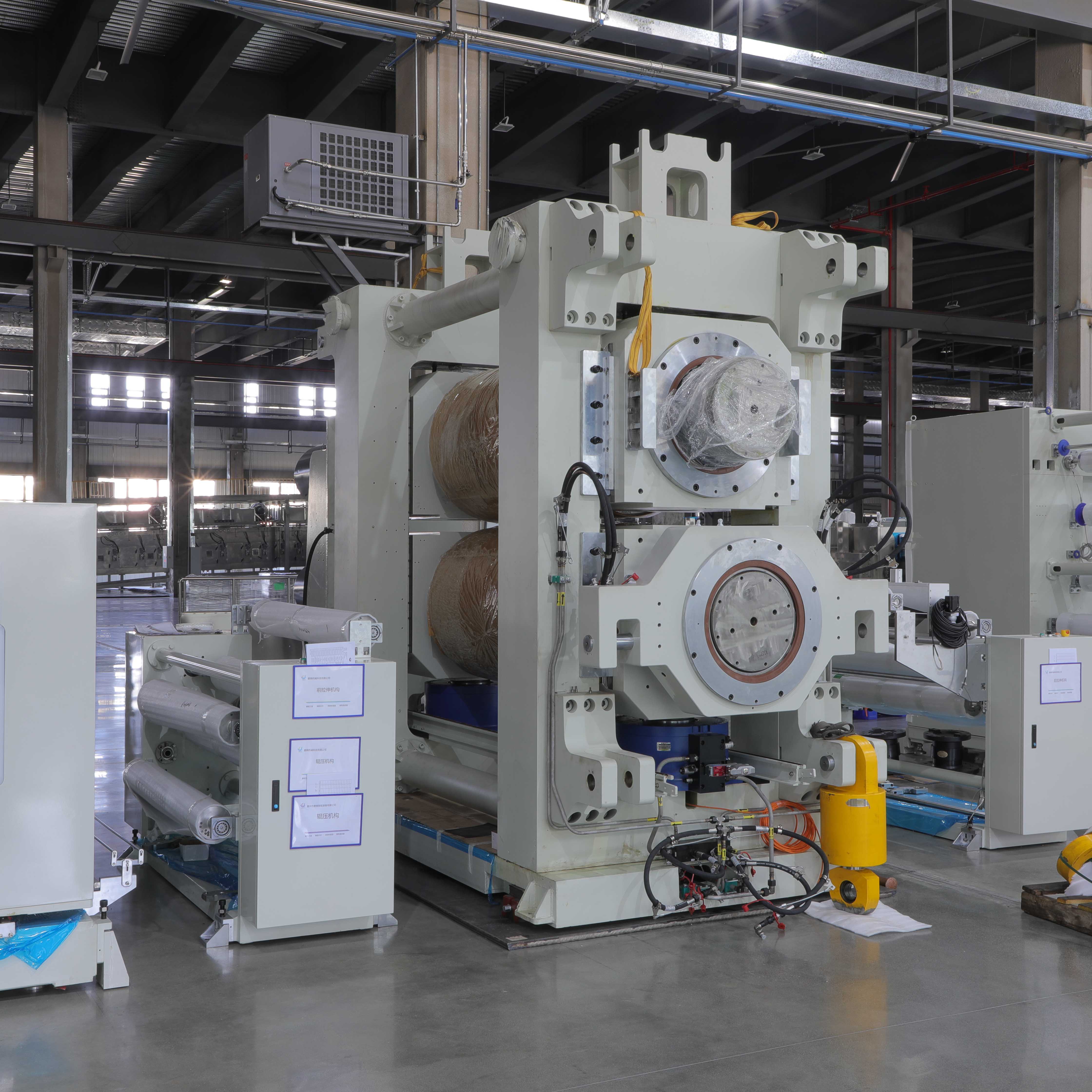


Key Coating Machine Technologies in Lithium Battery Manufacturing Explained
Introduction
The booming new energy vehicle and energy storage industries are driving rapid growth in lithium battery demand, raising requirements for production equipment in terms of precision, efficiency, and intelligence.
Manufacturers often face challenges such as high-speed high-precision coating, electrode defects, and limited continuous production capacity, all of which directly affect yield and cost.
This article interprets key coating machine technologies and introduces advanced solutions developed by Pengjin.

H1: Why Coating Machine Technology is the Core of Lithium Battery Manufacturing?
The coating process is the most critical step in electrode sheet production. Uniform slurry coating, precise surface density, and intact coating layers are essential for stable battery performance and safety.
In large-scale production environments, variations in coating quality can directly affect yield rates, which may fluctuate by over 10%~20% depending on coating stability and precision.
Advanced coating technologies enable:
- Uniform slurry extrusion through precision coating heads
- Stable drying to prevent defects such as edge curling and wrinkling
- Continuous high-speed production with consistent quality
Thus, coating technology directly determines both production capacity and product reliability.
H2: Mainstream Key Technologies of Lithium Battery Coating Machine in the Market
Mainstream technologies focus on four interconnected systems:
1. Coating Head Technology
Extrusion heads are widely used, focusing on slit precision and anti-leakage performance. Double-sided coating heads are becoming a key development direction.
2. Feeding System Technology
Double pump parallel feeding and screw pump metering ensure stable slurry flow and pressure, reducing coating fluctuations.
3. Drying System Technology
Multi-stage pressure cavities and optimized airflow paths improve drying consistency and efficiency.
Stable airflow control (typically within ±2%) is essential to prevent uneven drying and electrode defects.
4. Winding System Technology
Curved surface winding and follow-up pressing rollers ensure electrode flatness and reduce deformation during high-speed production.
These integrated systems are critical for maintaining stability in production speeds exceeding 120–160 m/min.
H2: Advanced Coating Machine Technology of Pengjin Intelligent Equipment
For manufacturers aiming to improve coating stability, reduce defects, and enable high-speed continuous production, integrated coating technologies developed by companies such as Pengjin are widely adopted in both power battery and energy storage applications.
Pengjin has developed advanced coating technologies through independent R&D and patent innovation, covering coating, feeding, drying, and winding systems.
Core Innovations
-
Coating head & anti-leakage technology
Patented designs reduce die head leakage and eliminate blank coating areas, improving coating precision -
Feeding & drying integration
AB screw pump feeding combined with independent air return cavities improves drying consistency
Wind speed fluctuation ≤ ±2%, ensuring stable drying performance in continuous production -
Winding & transmission system
Curved surface winding reduces path fluctuations, while magnetic wheel transmission enables high-speed, low-maintenance operation -
Ultra-thin foil adaptability
1600 wide-width model supports 4μm copper foil and 6μm aluminum foil for high-end battery applications
In practical applications, manufacturers adopting integrated coating systems have reported improvements in production efficiency of over 30%, along with reduced defect rates in high-speed coating environments.
H2: Application Scenarios of Pengjin Coating Machine
Pengjin's coating machines are widely applied in:
- Power battery production
- Energy storage systems
- Consumer battery manufacturing
These applications typically involve high-throughput production lines where coating precision, drying stability, and continuous operation directly determine product quality and cost efficiency.
The equipment can also integrate with NMP recovery systems and rolling/slitting machines to form a complete intelligent production line, improving overall efficiency and resource utilization.
Conclusion
Coating machine technology is a core factor in determining the quality and efficiency of lithium battery production.
As battery manufacturing continues to scale, advanced coating technologies are becoming essential for achieving stable, high-speed, and cost-efficient production.
Pengjin continues to develop advanced coating solutions, supporting the global lithium battery industry with high-precision and intelligent manufacturing equipment.